

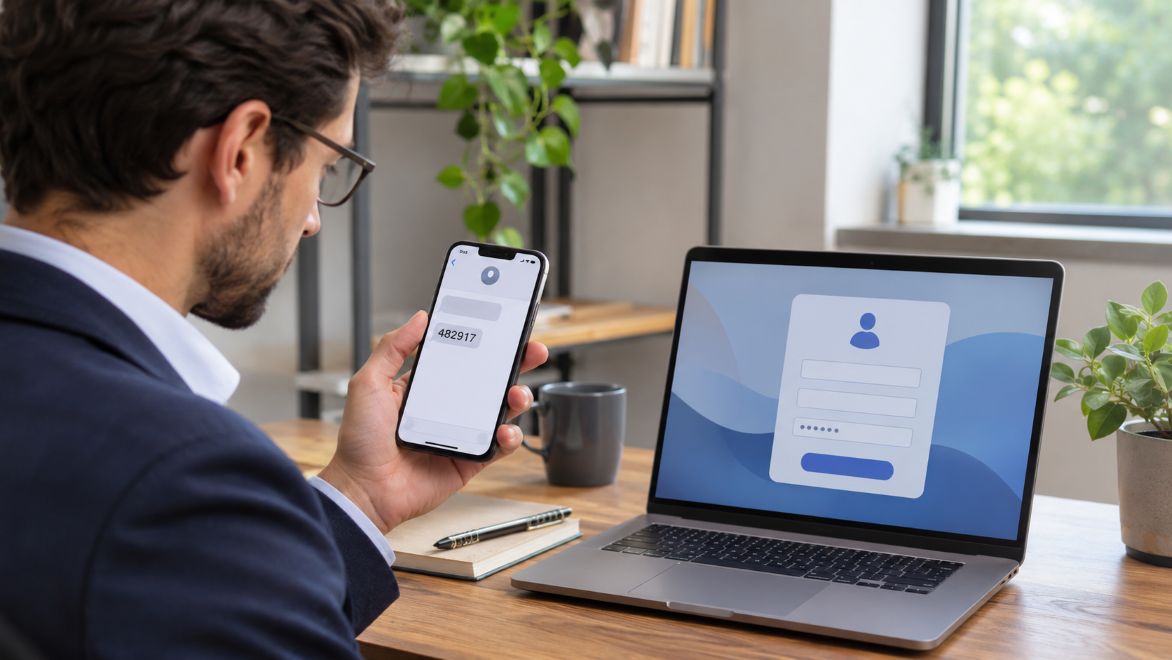
Personal data collection has become a routine part of using digital services. Software platforms, mobile applications, and online communities often request personal information during registration. Phone numbers are particularly common because they help services verify accounts and manage access. However, sharing a permanent number with multiple platforms raises concerns about privacy, unwanted communications, and data security. Users must balance convenient registration with protecting their personal information.
Temporary phone number services offer another approach to account verification. For example, a temp USA number for verification may allow users to receive SMS registration codes without providing their primary contact number, provided the application accepts it. These services appeal to people who want greater control over their digital information. However, their usefulness depends on platform rules, number availability, and how long users need access to their accounts.
Why Do Software Platforms Request Phone Numbers?
Phone verification serves several purposes in digital account management. Many platforms send one-time passwords through SMS to confirm that users can receive messages at a registered number. This process can discourage automated registrations and provide another way to verify access.
The National Institute of Standards and Technology (NIST) explains that telephone-based authentication carries security risks. Its digital identity guidelines identify SMS authentication as a restricted method because of vulnerabilities involving SIM changes, number transfers, and related threats.
Still, phone verification remains familiar and accessible. Users generally understand how to receive a text message and enter a code. This convenience explains why SMS continues to appear in registration workflows, even as stronger authentication methods become available. A similar balance between security and usability matters in user-friendly client dashboards, where clear account management features and simple navigation help users access online services with fewer complications.
How Temporary Numbers Can Reduce Personal Data Exposure
Temporary numbers provide an alternative contact point for receiving verification messages. Depending on the provider, users may access a number for a single registration, a limited rental period, or several verification attempts.
The main privacy advantage is separation. Instead of connecting every application to one permanent number, users can limit where their primary contact information appears.
Where Alternative Numbers May Be Useful
Different situations can justify using short-term numbers:
- Software registration: Users may register with compatible applications without disclosing their everyday number.
- Application testing: Developers can test SMS delivery and registration workflows using authorized test accounts.
- Short-term services: Users may need temporary access to an application without maintaining a permanent contact relationship.
- Privacy management: Separate numbers can help distinguish personal communications from less important online activities.
These uses reflect a broader principle of data minimization. The European Data Protection Board (EDPB) explains that organizations should limit personal data collection to what is necessary for specific purposes.
However, using a different number does not guarantee anonymity. Platforms may still collect device information, network identifiers, and other registration details.
Where Temporary Numbers Fall Short
Although temporary numbers offer convenience, several limitations deserve attention. Their short lifespan can create problems when users need continuing access to an account.
Number Recycling Creates Recovery Risks
Some temporary numbers eventually return to circulation. If another person receives a previously assigned number, they might receive messages intended for its earlier user.
The Federal Communications Commission (FCC) maintains a Reassigned Numbers Database to help callers identify numbers that have changed subscribers. This reflects the broader concern surrounding telephone number reassignment.
For account holders, the practical risk is losing access to verification messages. A forgotten password could become difficult to recover when the original number is unavailable.
Platform Restrictions Limit Compatibility
Temporary numbers are not universally accepted. Some services reject virtual or internet-based telephone numbers. Others require additional verification when registrations appear unusual.
Users should check application requirements before relying on a rented number. Attempting to bypass platform restrictions may violate service agreements and lead to account suspension.
Potential Misuse Raises Questions
Alternative numbers can also support unwanted activities, including repeated account creation and attempts to avoid enforcement measures. However, misuse does not mean every temporary-number user has harmful intentions.
The more reasonable approach is to distinguish legitimate privacy needs from activities that undermine platform security. Providers and software operators both have responsibilities in preventing abuse.
How Do Other Verification Methods Compare?
Temporary numbers mainly address contact information exposure. Other authentication methods focus more directly on securing accounts against unauthorized access.
Authenticator Applications
Authenticator apps generate verification codes without requiring an SMS message for every login. They reduce dependence on telephone networks and avoid certain SIM-related vulnerabilities.
The Cybersecurity and Infrastructure Security Agency (CISA) identifies app-generated codes as useful alternatives when stronger, phishing-resistant authentication is unavailable. However, users must still protect their devices and recovery options.
Passkeys
Passkeys use cryptographic authentication instead of traditional passwords. The FIDO Alliance explains that passkeys can provide phishing-resistant sign-ins through supported devices and platforms.
They offer stronger protection against credential theft, although availability depends on individual services. Passkeys also require suitable account recovery arrangements.
Dedicated Secondary Numbers
A permanent secondary number provides another option. It separates personal communications from online registrations while allowing continued access to verification messages.
Unlike short-term rentals, a dedicated number may be more practical for frequently used accounts. However, it introduces additional costs and requires ongoing management.
Choosing Privacy Without Sacrificing Account Security
No single verification method suits every situation. Temporary numbers can reduce exposure during short-term registration, but they may create recovery problems when accounts remain active for months or years.
Users should consider account importance, service compatibility, recovery requirements, and authentication strength. Temporary contact numbers may be reasonable for permitted, low-risk activities. Financial accounts, professional services, and primary email accounts deserve more reliable protection.
The direction of digital security increasingly favors stronger authentication and careful personal data management. Temporary numbers remain one privacy tool, rather than a complete security solution. Making informed choices about verification methods helps users protect personal information while maintaining dependable access to their digital accounts.