

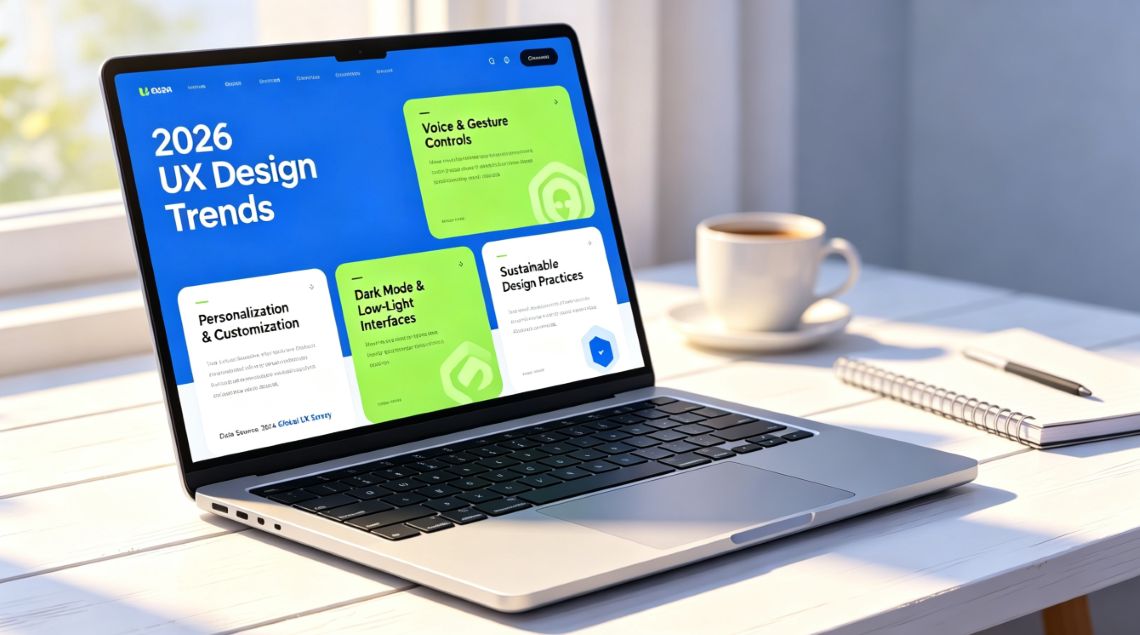
Mobile devices now account for the majority of web traffic worldwide, and studies from StatCounter Global Stats consistently show that smartphones generate more than half of all website visits. At the same time, research from Google highlights that users quickly leave websites that load slowly or create unnecessary friction. These trends have made user experience (UX) design a critical factor for healthcare providers seeking to improve online appointment requests.
Healthcare organizations increasingly recognize that conversion-focused websites for med spas represent a broader shift toward designing digital experiences around patient needs rather than simply displaying information. Reports from Nielsen Norman Group emphasize that usability directly affects whether visitors complete important tasks, including booking consultations, filling out forms, or contacting a clinic. As a result, thoughtful UX decisions have become an essential part of modern healthcare websites.
Why UX Matters Before Marketing Efforts
People often discover healthcare providers through search engines, maps, referrals, or social media. Their first impression usually comes from the website itself. If navigation feels confusing or pages take too long to load, potential patients may leave before exploring available services.
Experts from Baymard Institute note that reducing unnecessary complexity helps visitors complete online tasks more efficiently. Although much of Baymard’s research focuses on ecommerce, many of its usability findings apply equally to appointment-based healthcare websites because users expect clear navigation, predictable layouts, and straightforward forms regardless of industry.
Software platforms now make it easier to measure visitor behavior through analytics, heatmaps, and usability testing. These tools allow organizations to identify where users abandon booking journeys and where improvements may increase completed appointments.
Seven Software-Driven UX Practices That Improve Appointment Conversion
1. Simplify Appointment Scheduling
Long forms remain one of the biggest obstacles during online booking. Every additional field introduces another opportunity for visitors to leave before completing a request.
Research published by Nielsen Norman Group recommends limiting forms to essential information whenever possible. Many healthcare websites now integrate scheduling software that automatically displays available time slots, verifies information, and reduces manual data entry.
- Display available appointments clearly.
- Reduce unnecessary form fields.
- Provide confirmation immediately after submission.
- Allow easy rescheduling when appropriate.
2. Create Clear Navigation Paths
Visitors should understand where to click within seconds of arriving on a page. Confusing menus or excessive navigation options often increase cognitive load.
NN/g researchers explain that users generally scan pages instead of reading every word. Logical menu structures, consistent page layouts, and clearly labeled buttons make important information easier to find.
- Keep navigation labels simple.
- Group related services together.
- Maintain consistent menus across every page.
3. Use Data to Optimize Call-to-Action Placement
Modern analytics software provides valuable insights into user behavior. Heatmaps, scroll tracking, and click analysis reveal which sections receive attention and which areas visitors ignore.
Findings from Microsoft Clarity and Google Analytics help designers adjust button placement, page layouts, and content hierarchy using measurable behavior rather than assumptions. Small interface improvements can gradually increase completed appointment requests over time.
4. Improve Trust Through Visual Clarity
Healthcare decisions often involve uncertainty, making trust especially important. Visitors typically feel more comfortable when websites present information clearly and consistently.
Research from the Stanford Web Credibility Research project found that visual design strongly influences perceptions of credibility. Professional photography, readable typography, transparent contact information, physician credentials, and clear service descriptions all contribute to a more trustworthy experience.
- Use consistent branding.
- Display professional qualifications where relevant.
- Present pricing or consultation details transparently when appropriate.
- Keep page layouts clean and uncluttered.
5. Personalize the User Journey Responsibly
Many content management systems now support personalization features that adapt recommendations based on visitor interests or browsing history. These tools can highlight relevant services without overwhelming users.
Reports from Adobe suggest that personalized digital experiences often improve engagement when implemented thoughtfully. Healthcare organizations should balance personalization with privacy requirements and follow applicable regulations governing patient information.
6. Reduce Friction with Intelligent Automation
Automation increasingly supports routine administrative tasks. Online chat, appointment reminders, automated confirmations, and digital intake forms help reduce delays while keeping visitors informed.
Research from McKinsey Health Institute indicates that digital tools can improve operational efficiency when integrated into existing workflows. For patients, automation often means fewer repetitive steps before securing an appointment.
- Automatic confirmation emails.
- Reminder notifications.
- Secure online forms.
- Simple follow-up communication.
7. Continuously Test and Refine the Experience
User expectations evolve alongside technology. A website that performed well two years ago may no longer meet current usability standards.
Google encourages ongoing testing through A/B experiments and performance monitoring. Comparing different layouts, headlines, button placements, and booking flows allows organizations to identify improvements supported by real user data rather than personal preference. Teams interested in expanding their measurement capabilities can also explore open-source analytics tools to better understand audience behavior and evaluate engagement trends across digital channels.
Mobile Responsiveness and Website Speed Continue to Matter
Fast websites consistently produce better user experiences across every device. Research published by Google shows that visitors become increasingly likely to abandon pages as loading times increase. Even small delays can interrupt booking journeys.
Responsive design ensures that appointment forms, navigation menus, images, and interactive elements work smoothly on smartphones, tablets, and desktop computers. Since many healthcare searches begin on mobile devices, responsive interfaces remain one of the most practical investments for improving accessibility.
Performance optimization extends beyond faster hosting. Compressing images, reducing unnecessary scripts, implementing browser caching, and optimizing code all contribute to smoother interactions that encourage visitors to continue through the scheduling process.
Supporting Better Patient Journeys Through UX
Effective healthcare websites guide visitors from initial curiosity to informed decision-making. Every page should answer likely questions while making the next action clear and easy to complete.
Patient-centered digital design typically combines intuitive navigation, accessible content, reliable scheduling systems, strong privacy practices, and consistent visual presentation. Together, these elements create an online experience that supports confidence throughout the booking journey.
Organizations increasingly evaluate website performance using both technical metrics and user satisfaction data. Analytics reveal where visitors leave, while usability testing explains why those behaviors occur. Combining both perspectives often produces more meaningful improvements than relying on either method alone.
Key Takeaways for Modern Digital Platforms
Successful appointment-focused websites rarely depend on a single design trend. Instead, they combine usability research, software analytics, responsive layouts, accessibility standards, and continuous testing to reduce friction throughout the patient journey.
As digital healthcare continues to evolve, organizations that prioritize clear navigation, efficient booking systems, trustworthy design, and ongoing optimization will be better positioned to meet changing user expectations. Thoughtful user experience design ultimately benefits both patients seeking timely care and providers working to deliver efficient online services.